
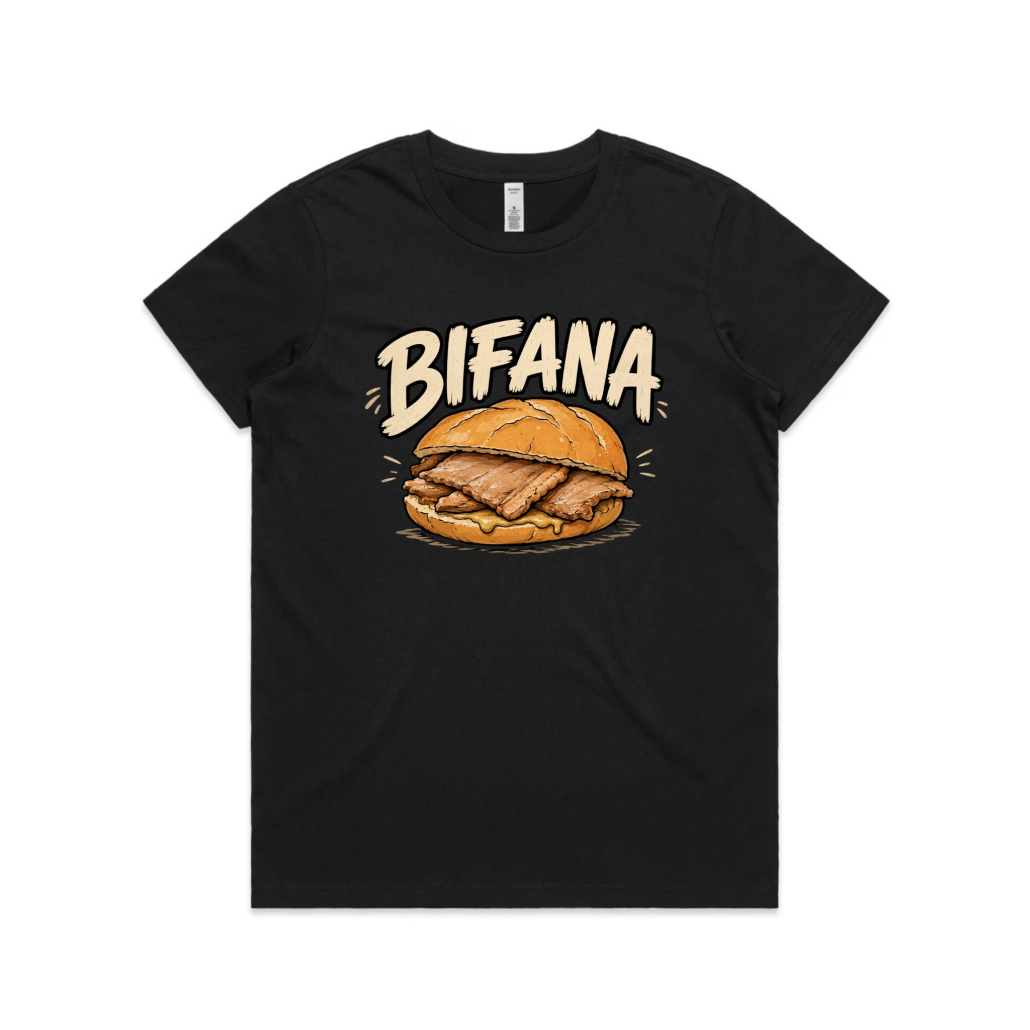

Description
“That’s not a meal!” I hear you shout.
Maybe not… but who says you have to stop at one?
To me, a bifana has always been something you eat between meals. More often than not, it’s what you grab at a festa to keep you going between drinks, catching up with old friends, and chatting with people you’ve only just met.
One thing many people don’t realise is that bifanas vary quite a bit depending on where you are in Portugal.
The South
Down in the Algarve we tend to keep things fairly subtle. A good bifana is usually served with very little molho(sauce), just a smear of yellow mustard and maybe a splash of piri-piri if you’re feeling adventurous.
The North
Head further north and the bifanas generally become a lot juicier, with plenty more molho soaking into the bread.
I like them all.
It’s one of the few arguments in Portugal where everyone is right.
In fact, if you become familiar with the different regional styles of bifana, you’ll always know roughly where you are in Portugal.
Think about it…
If you’re ever kidnapped in Portugal, all you need to do is convince your captors to bring you a bifana.
One bite and you’ll know whether to tell the police to start looking around Faro… or somewhere north of Lisbon.
Follow Oporco for more completely unnecessary life-saving tips.
One thing, however, is non-negotiable.
If you’re from the Algarve, the beer is a Sagres.
I don’t make the rules.
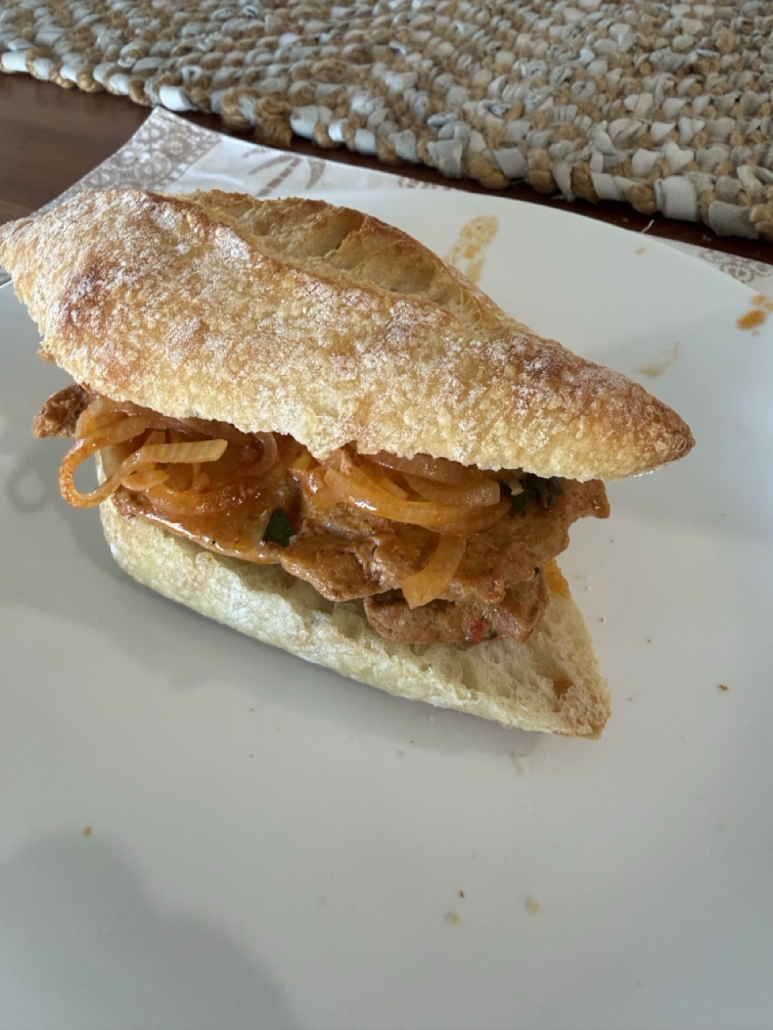
This is one of the Prato do Dia dishes I make quite often because it’s surprisingly easy to recreate at home. The ingredients are simple, and getting that authentic Portuguese flavour isn’t difficult at all.
Even if you can’t find traditional Portuguese bread rolls, a good crusty roll works perfectly. There’s actually a sourdough roll from Coles that comes remarkably close and makes an excellent substitute.
The Oporco Ritual: The Anatomy of a Proper Bifana
You don’t need a fancy kitchen setup to make a killer bifana. It’s all about thin-cut pork, garlic, and letting the flavours do the heavy lifting.
The Pork
Pound your pork cutlets nice and thin. They’ll cook quickly, stay tender, and soak up every bit of the marinade.
The Molho
Traditionally it’s made with white wine, but I often use a beer instead. It stops the wife getting upset that I’m using up her wine, and it gives me a perfectly reasonable excuse to enjoy a cold one while I’m making lunch.
Throw in plenty of garlic, sweet paprika, a couple of bay leaves, a splash of olive oil or a spoonful of lard, then let everything simmer away until the pork is tender and the molho is packed with flavour.
The Bread
The bread needs to be sturdy enough to stand up to the juices without dissolving into a soggy mess.
The Coles sourdough rolls do a surprisingly good job.
The Assembly
The Marinade
Marinate the pork for a few hours with:
– Thin pork steaks or pork loin
– 4–5 cloves of smashed garlic
– 330 ml beer (or white wine if you insist)
– 1 teaspoon sweet paprika
– 2 bay leaves
– Salt and pepper
The Sizzle
Heat a frying pan with a little olive oil or lard.
Cook the pork quickly over a medium-high heat, then pour in the remaining marinade and allow it to reduce into a rich, garlicky molho.
The Roll
Fill your crusty roll with the piping hot pork and spoon over as much (or as little) molho as your regional preference demands.
Finish with a smear of yellow mustard and, if you’re feeling brave, a dash of piri-piri.
The Vibe
Eat it standing up.
Ideally with a cold Sagres in one hand, while making sure at least a little bit of molho drips down your wrist.
That’s how you know you’ve done it properly.
Com licença… I’m off to check the fridge.
If there’s a Sagres in there, I’m making bifanas.
If there isn’t… I’m going to the bottle shop first.






Reviews
There are no reviews yet.