

Description
If you’ve ever tried explaining a Tosta Mista to a non-Portuguese person, you’ve probably heard the phrase:
“So… it’s just a ham and cheese toastie?”
No. No, it is not.
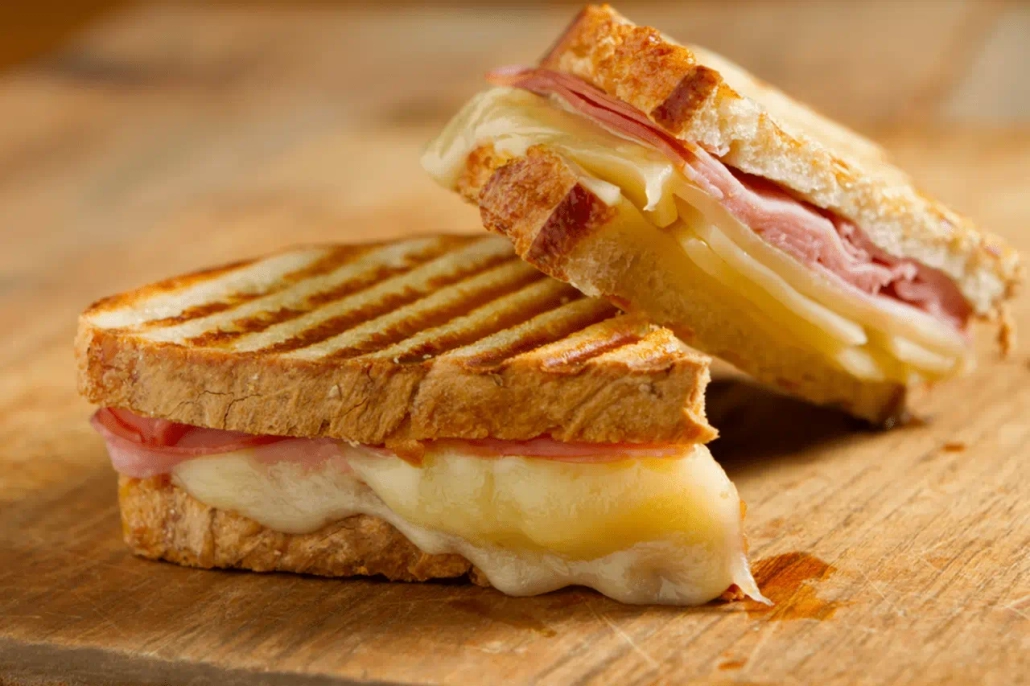
There is a craft to the tosta mista that you simply can’t find in your local supermarket aisle. It’s all about the excess—the butter. You have to butter both sides of the bread. Then you’ll start questioning whether you’ve used enough butter and add a little more. It’s not something you eat every single day (though, let’s be honest, you’ll want to), so your doctor doesn’t need to worry about it too much.
In all honesty, you can make this yourself, but it is strictly better when you get one at your favourite café in Portugal. It needs to be served to you by a woman named Lisette. She’ll be wearing an immaculate apron, somehow managing to wear an impossible amount of gold jewellery, and she’ll give you a suggestive wink as she slides the plate onto the table. That is the secret ingredient.
Since we can’t bring Lisette to the suburbs, wear this instead. It’s a tribute to the ultimate comfort food—crusty, golden, and always, always better with a little bit of extra butter.
The “Café Style” Rules of Engagement
A tosta mista is a chameleon. Depending on the time of day, it completely changes its character. Don’t just settle for the sandwich—complete the experience:
The Morning Ritual: Pair it with a Galão. The milky, velvety coffee is the perfect contrast to the salty, crispy cheese-and-ham hit. It’s the standard mid-morning fuel-up for anyone serious about their breakfast.
The Afternoon Power-Up: Go the full distance. A tosta mista accompanied by a side of batatas fritas (chips) and a cold, crisp imperial (that’s a small draft beer for the uninitiated) is the quintessential “I’m taking a long lunch” move.
The “Pro-Level” Assembly Guide
To get as close as possible to that tasca experience here in Australia, here is your assembly guide:
Ingredients:
Bread: Pick up an Italian-style Pane di Casa from your local Aldi or Baker’s Delight. It’s about as close as you’re going to get to the crusty Portuguese café bread most of us grew up with.
The Filling: Good quality ham (sliced thin) and a melting cheese (a mild gouda or edam works best if you can’t find authentic Portuguese queijo flamengo).
The Secret: Salted butter (room temperature—don’t be shy).
Instructions:
1 The Buttering: This is where you don’t hold back. Butter the outside of both slices of bread generously. If you want that perfect golden finish, use a pastry brush to ensure even coverage.
2 The Assembly: Layer your ham and cheese. Don’t overstuff it, or you lose the crisp-to-cheese ratio.
3 The Press: If you don’t have a professional industrial press, use a heavy cast-iron skillet. Place the sandwich in the pan, then use a second, smaller heavy pan to press down on the top.
4 The Finish: Flip it halfway through. You’re looking for a deep, golden-brown crust with the cheese just starting to weep out the sides.
5 Serve: Slice diagonally (it tastes better that way, that’s just science) and eat it while it’s hot enough to require a napkin.
The Oporco Promise:
We aren’t taking things off the menu. We’re building a library of favorites. Whether it’s a main, a snack, or a bit of local dialect that only the locals understand, the Prato do Dia range is our way of staying connected to the culture, one dish at a time.






Reviews
There are no reviews yet.